Study the greats
Joel Meyerowitz
With 52 years of doing street photography and more than 20 photo books, it will be very difficult to find a better teacher than him.
Look closely
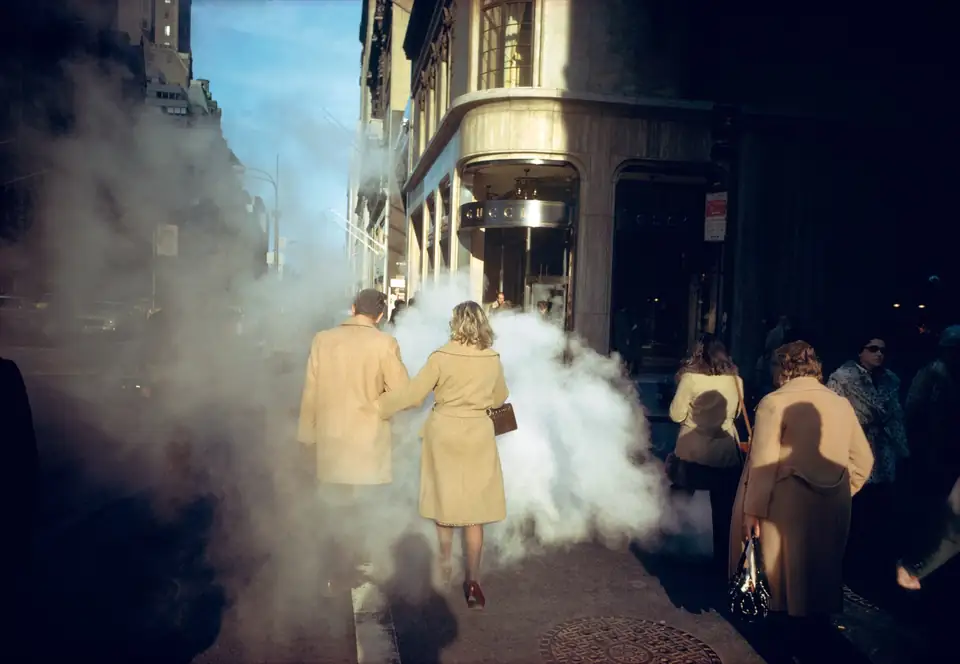
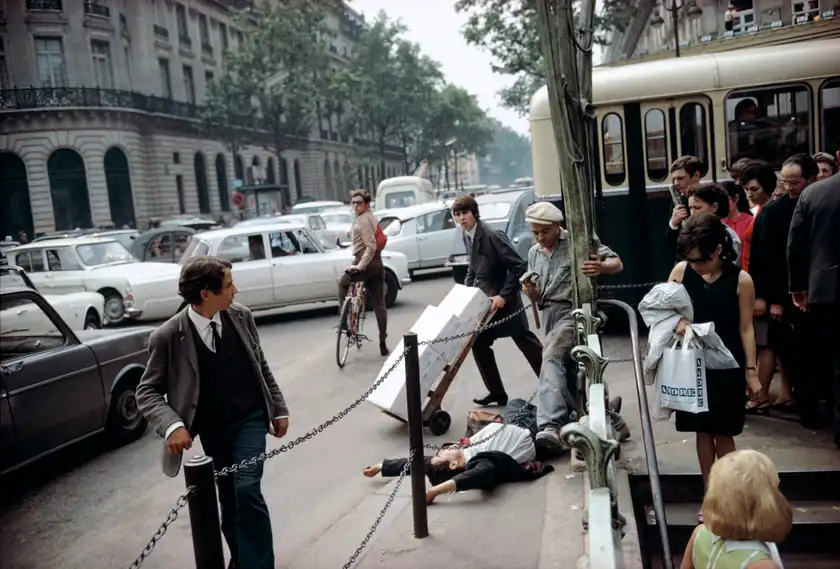
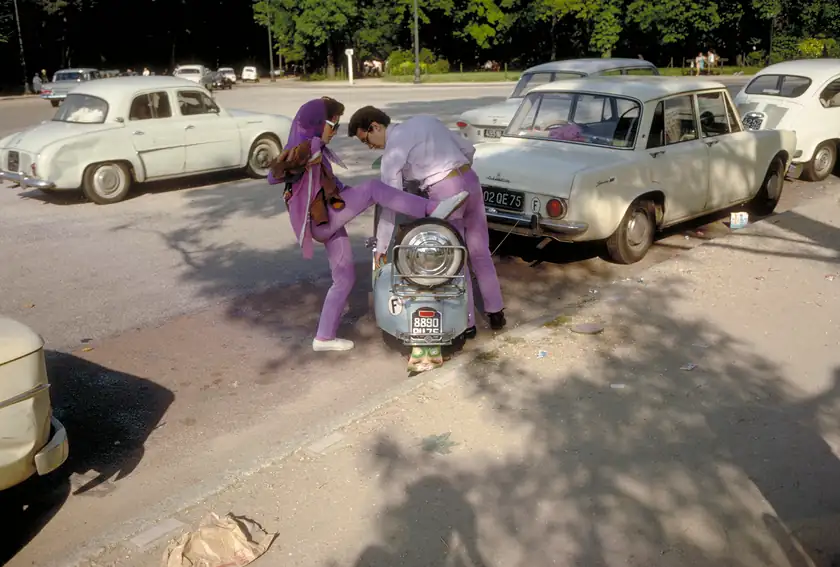
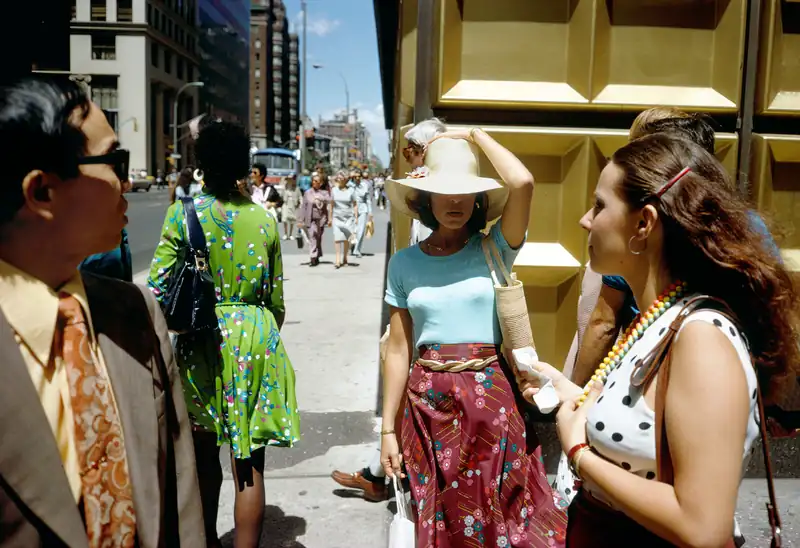
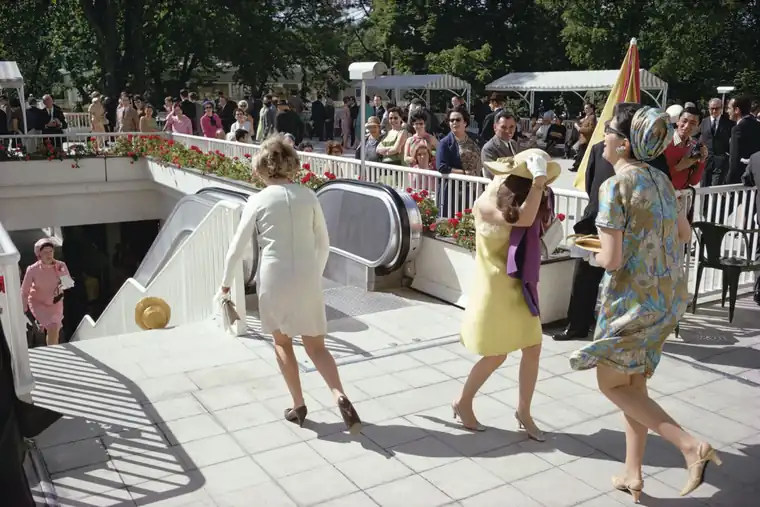
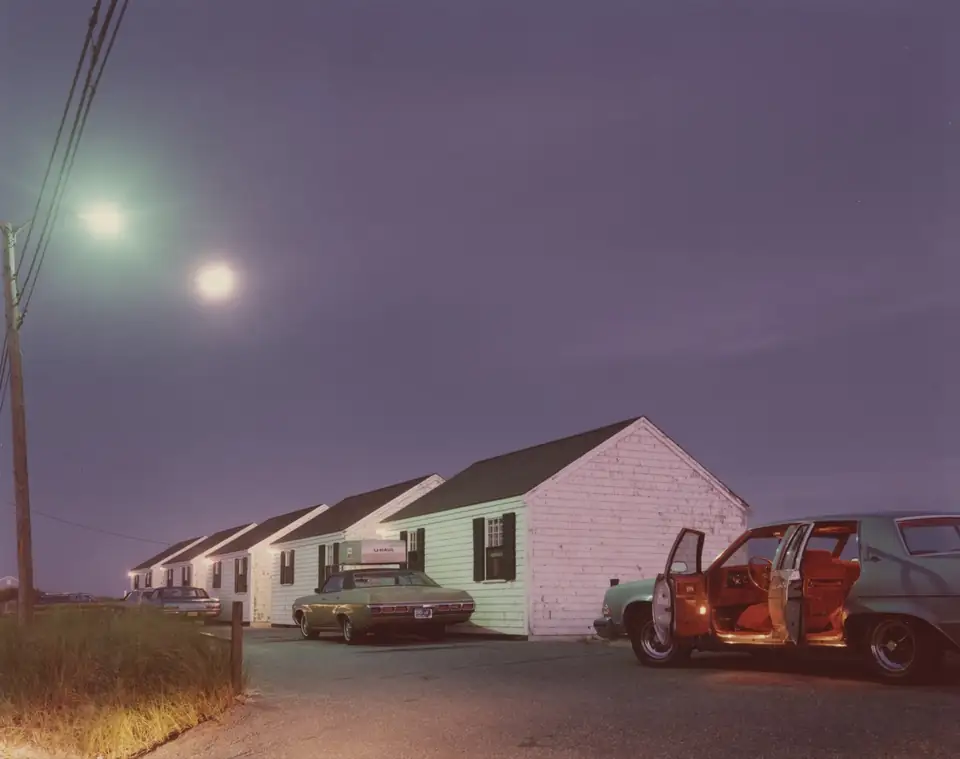
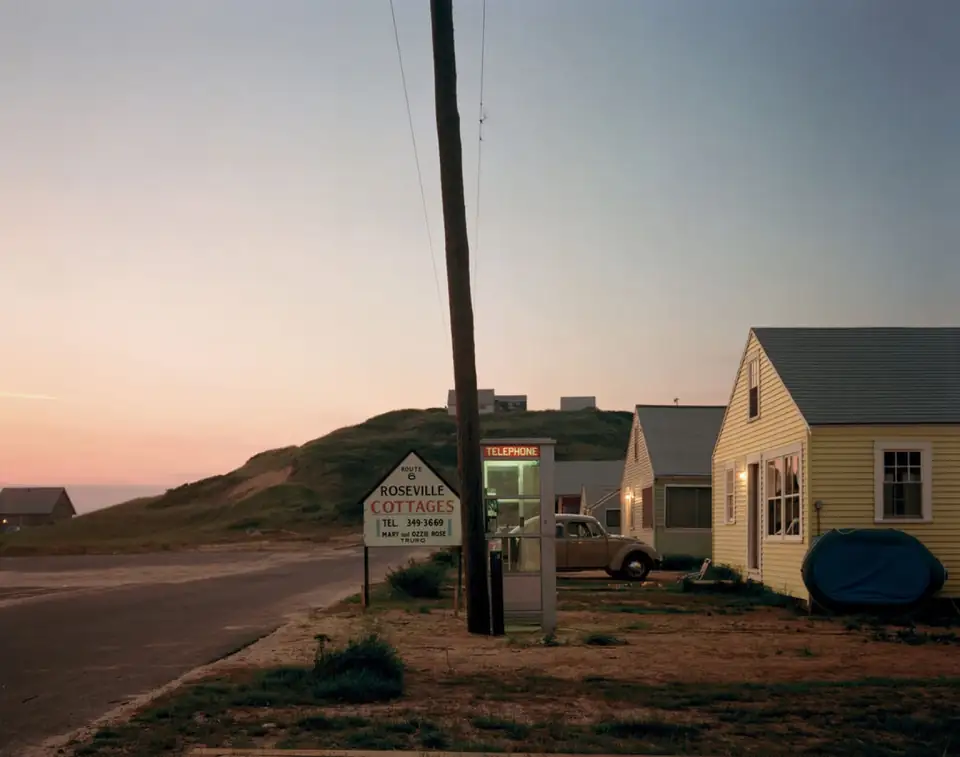
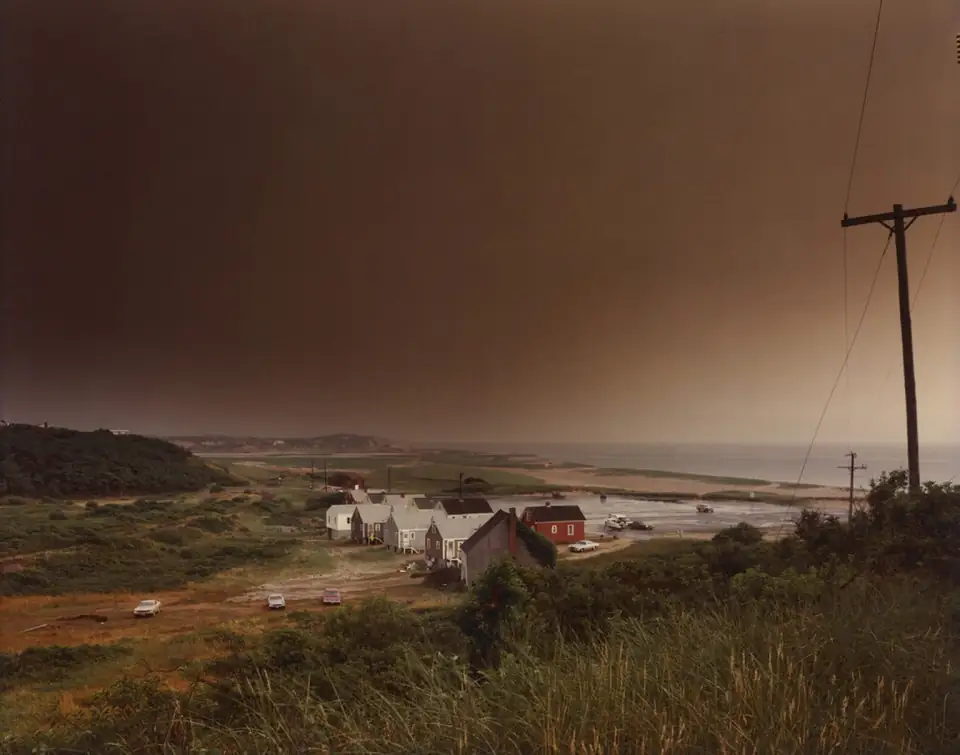
10 well-known Joel Meyerowitz photographs
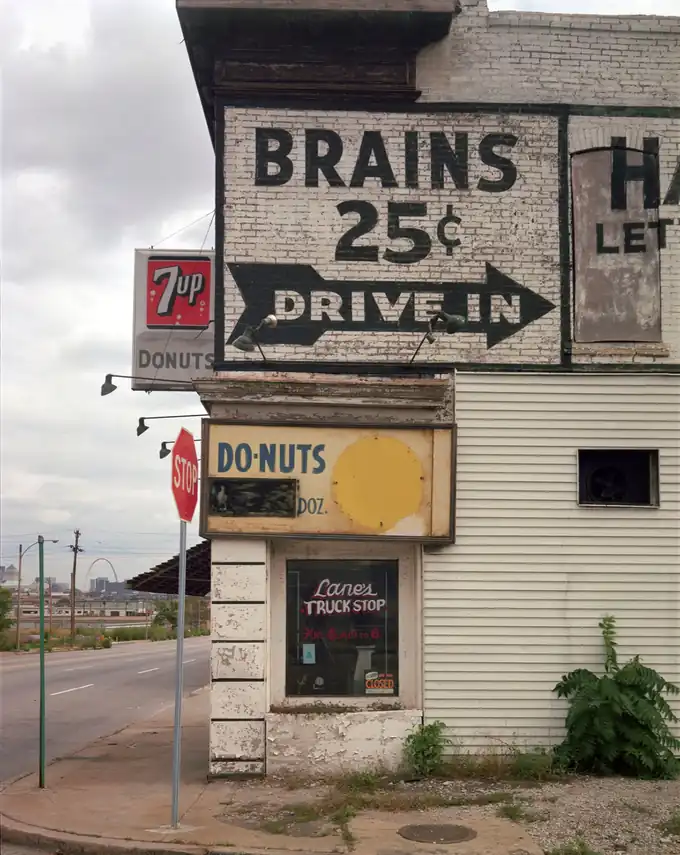
A selection of his best-known street photographs and luminous Cape Cod pictures. Look at the color, the edges of the frame, and the small moments happening all at once.

The lessons
How to take photos like Joel Meyerowitz
In this video, I go through the works of Joel and try to imitate his style of photography. We look at his street portraits and his 35mm color street photography.
Say what you see, out loud
A great tip from Joel’s course is when you walk around doing your street photos, you should try to say these things you see, out loud. Or at least say it in your head. It will give you a better idea of your surroundings and a better understanding of what you as a photographer, are drawn to.
When Joel began his photography career, he was inspired by none other than Robert Frank, after watching Robert take photographs.
Joel then quit his job as an art director and got his first camera.
Who is Joel Meyerowitz?
Joel is one of the most accomplished photographers alive, with more than 20 photo books and a 50 years of experience in photography.
Joel was the only photographer who was given access to ground zero after 9/11. In his photo book “Aftermath” you can see the striking images he made.
His masterclass
What is in the photography course:
- 5 hour of high-quality video material
- PoV footage of Joel in his element on the streets.
- A handful of practical tips and tricks.
This photography course is not for beginners, and it is not priced as so. It is a course for street photographers out there, who would like to take their street photography to another level, with a teacher who is among the most accomplished photographers alive.
Why buy his street photography course?
If you want to learn a lot more about how Joel’s way of doing street photography, I can highly recommend his photo course.
This photography course is for you who want to make a career in documentary or street photography. Joel shares his blueprint for how built his style in photography. If you’re into more experimental street photography, read about Alexey Titarenko.
Fun fact: Joel is one of the few inducted into Leica’s Hall of Fame.
On the bookshelf
Two favorite photo books by Joel Meyerowitz
How I make photographs
A guide on how to take photos like Joel.
Bystander: A History of Street Photography
A beautiful collection of some of Joel’s best photographs.

A closer look
Facts about Joel Meyerowitz
-
Almost Exclusively Self-Taught
Unlike many photographers of his stature, Meyerowitz is largely self-taught. His learning came from constant experimentation and relentless practice on the streets of New York.
-
Switched to Color When It Was “Taboo”
In the 1960s, color photography was considered inferior and commercial. Meyerowitz was one of the first fine art photographers to embrace color, helping to elevate it to a respected medium in the art world.
-
Studied Chaos Theory
Meyerowitz has a fascination with the randomness of human interactions and urban life. He often compares his work to chaos theory, seeking beauty and order in what appears disorganized.
-
Never Asked Permission
Meyerowitz rarely, if ever, asked his subjects for permission before photographing them. He believed the raw spontaneity of candid photography was essential for capturing the essence of life on the streets. The same technique was mastered by street photography pioneer, Bruce Davidson.
-
Two Cameras at Once
In the 1960s, Meyerowitz often carried two cameras: one loaded with black-and-white film and the other with color film. This allowed him to compare the two mediums and eventually commit fully to color.
-
Collaborated with Tony Schwartz
Meyerowitz collaborated with Tony Schwartz, a sound archivist, to create multimedia presentations combining photography and street sounds. This early experiment was a precursor to modern multimedia art.
-
Banned in MoMA’s First Photography Department
MoMA initially rejected Meyerowitz’s work, dismissing color photography as "too commercial." Ironically, his influence helped pave the way for color photography to be featured in museums worldwide.
-
Documented Ground Zero
After the September 11 attacks, Meyerowitz was the only photographer granted unrestricted access to Ground Zero. His photographs became an essential historical record of the aftermath.
-
Street Photography Came by Accident
Meyerowitz didn’t plan to be a street photographer. His early interest was in studio portraiture, but walking the streets of New York captivated him, leading to his iconic urban work.
-
Inspired by Jazz
Meyerowitz has often compared his photography style to jazz improvisation. He views the streets as a symphony of unpredictable moments, where timing and instinct are everything.
-
Obsession with Light
Meyerowitz often emphasizes the role of light in his work, calling it the "true subject" of photography. This fascination led to his acclaimed series of landscapes and still-life images, including the famous Cape Light: Fiftieth Anniversary Edition project.
-
Passionate Teacher
Meyerowitz is a dedicated advocate for photography education. His instructional videos and lectures have inspired countless photographers, emphasizing the importance of curiosity and observation.
-
Photographed While Running
To capture fleeting moments, Meyerowitz sometimes photographed while jogging through crowds. This technique gave his images a dynamic, kinetic energy rarely seen in traditional street photography.
-
Inspired by Bresson but Broke His Rules
Henri Cartier-Bresson was an early influence, but Meyerowitz deliberately broke from Bresson’s strict compositional rules. Meyerowitz embraced clutter and chaos, favoring complex frames filled with visual layers.
-
Master of Photographic Books
He has published more than 30 photography books, many of which are considered seminal works in the field. His books range from street photography to landscapes, showcasing his versatility.
-
Critic of Modern “Overthinking”
He has criticized modern photographers for overthinking their work. He believes photography should be intuitive and rooted in the experience of seeing, rather than overly conceptual or technical.
-
Avid Collector of Other Artists’ Work
Meyerowitz is also an art collector, with a particular interest in painting. He believes this cross-disciplinary appreciation sharpens his eye and inspires his work.
His fearless embrace of color, innovative street photography, and dedication to light and form have made him one of the most influential photographers of all time. His passion for the craft continues to inspire photographers worldwide.
If you are interested in how other legendary photographers took their photographs and their street photography tips and techniques, make sure to watch How Vivian Maier took her photos and how Cartier Bresson took his photographs.


