Street photography camera buyer’s guide
Best Cameras for Street Photography
The best street camera is the one you’ll carry. I’d compare these five for size, quick handling and the way you shoot.
My quick picks
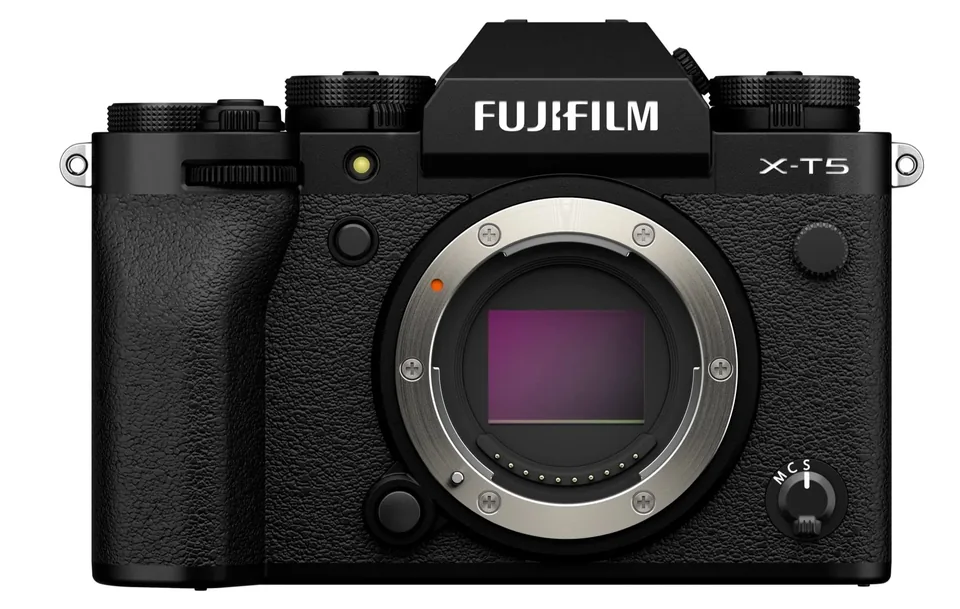
Fujifilm X-T5
- Best for
- Street photography with interchangeable lenses
- My verdict
- My best all-round choice
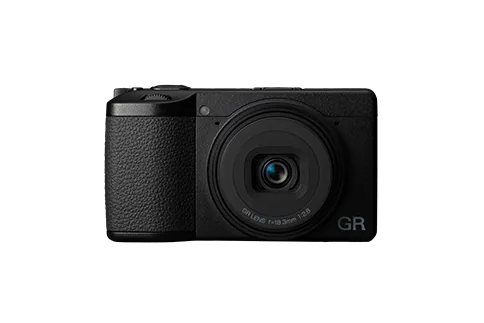
Ricoh GR IV
- Best for
- Photographers who want a pocketable camera and a wide 28mm-equivalent view
- My verdict
- Best pocket camera
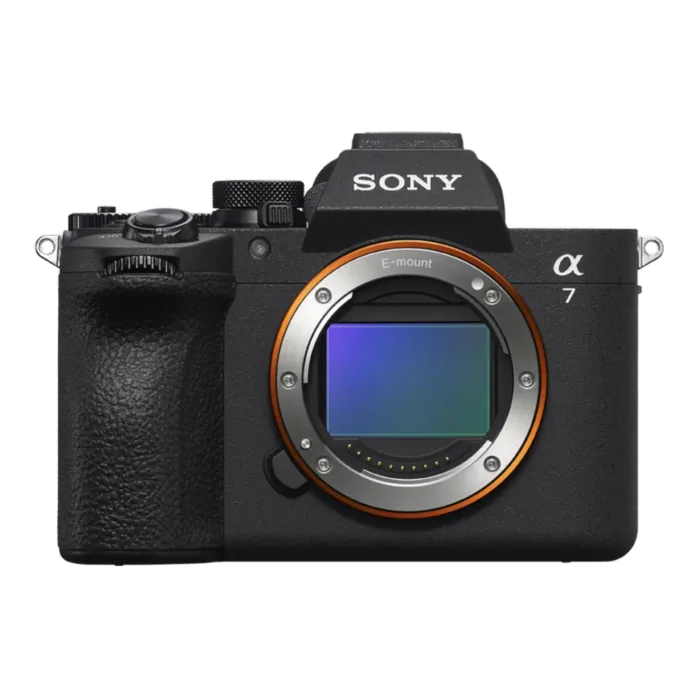
Sony a7 V
- Best for
- Photography and video
- My verdict
- My hybrid choice
The best street camera is not the most expensive one. It is the camera you can carry without thinking about it, operate quickly and afford to use every day.
Start with how much camera you want to carry, whether you need interchangeable lenses and whether video is part of the job.
What matters on the street
How I chose these cameras
A street camera should be easy to keep with you and discreet enough that the camera does not become the subject.
Street photographs disappear quickly. Reliable autofocus and direct controls matter more than a long specification list.
Good low-light performance makes the camera more dependable indoors, in the evening and whenever the light changes quickly.
Best all-round street camera
Fujifilm X-T5
- Best for
- Photographers who want direct controls and interchangeable lenses
- Skip it if
- You want a truly pocketable camera or video is your main job
- My verdict
- The balanced choice when photography comes first.
The X-T5 combines a photography-focused body with interchangeable lenses, strong autofocus and useful low-light performance. It gives you room to build a system without turning the camera into an oversized hybrid rig.
Check price on Amazon →Best pocket camera
Ricoh GR IV
- Best for
- Photographers who want a pocketable camera and a wide 28mm-equivalent view
- Skip it if
- You need a viewfinder, interchangeable lenses, weather sealing or a tighter 40mm view
- My verdict
- The current pocket-sized GR for wide street scenes and everyday carrying.
I have used Ricoh GR cameras since the GR II. The GR IV keeps the small-camera approach with a 25.74MP APS-C sensor, a fixed 28mm-equivalent f/2.8 lens, five-axis stabilisation and 53GB of internal storage. The GR IIIx gives you a tighter 40mm-equivalent view. Ricoh has announced the GR IVx for winter 2026 or later; it is not a released recommendation here.
Check price at B&H →Best for photography and video
Sony a7 V
- Best for
- Hybrid photographers who need one camera for stills and video
- Skip it if
- You want the smallest and least conspicuous street setup
- My verdict
- The practical hybrid choice when the camera has to do everything.
The a7 V makes sense when street photography is only part of the job. Sony’s stabilization and strong hybrid performance give it more range than a street-only camera, but that flexibility comes in a larger setup.
Check price on Amazon →Best fixed-lens Fujifilm
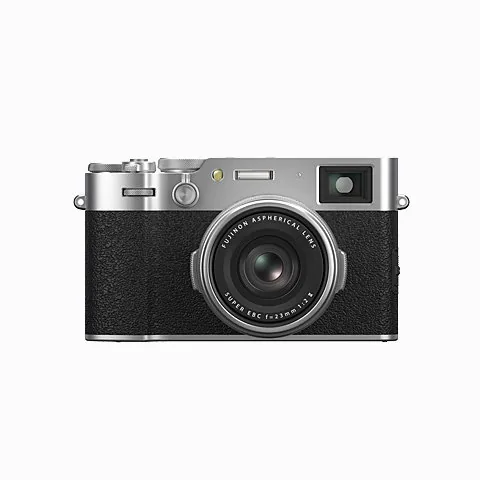
Fujifilm X100VI
- Best for
- Photographers who want one compact camera and one fixed lens
- Skip it if
- You need interchangeable lenses or video is a priority
- My verdict
- A focused camera for photographers who want fewer decisions.
The X100VI pairs a compact body with a fixed 23mm lens, equivalent to 35mm. That limitation is the point: you carry less, work within one field of view and keep the camera ready.
Check price on Amazon →Best premium fixed-lens camera
Leica Q3
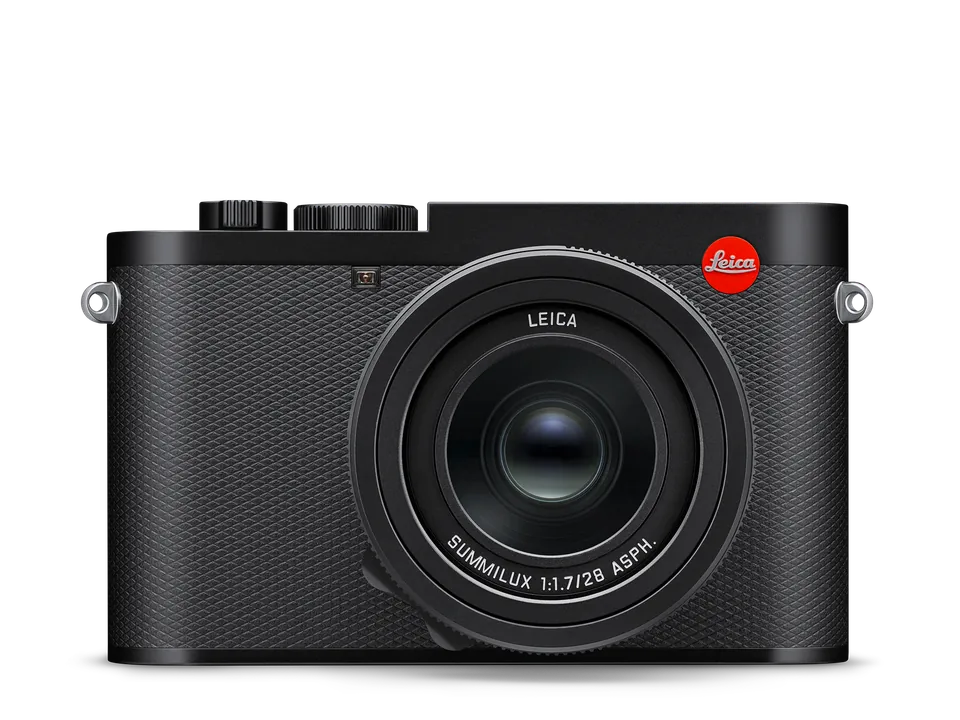
- Best for
- Photographers who want a compact premium camera with a fixed 28mm lens
- Skip it if
- The price would make you hesitant to carry it everywhere
- My verdict
- Beautifully built, capable and difficult to justify on value alone.
The Q3 combines a 60.3MP full-frame sensor with a fixed 28mm f/1.7 lens, autofocus and optical stabilisation. Its IP52 rating offers limited weather protection. Compare the Q3 43 if you prefer a 43mm view; neither is a pocket camera, and the price needs to fit the way you actually work.
Check price on Amazon →Choose by the way you work
Three sensible starting points
Do not compare every specification. Decide what you need the camera to do first.
Photography first
Fujifilm X-T5
Choose it for direct controls, interchangeable lenses and a stills-first body.
Check price on Amazon →Smallest carry
Ricoh GR IV
Choose the current 28mm GR when a camera that fits in a pocket matters most.
Check price at B&H →Photo and video
Sony a7 V
Choose it when one body needs to cover street photography and video work.
Check price on Amazon →The best compact cameras for street photography
Start with the camera you will actually carry. A pocket camera, a camera with a viewfinder and a small interchangeable-lens kit solve different problems.
| Camera | Best fit | Main trade-off |
|---|---|---|
| Ricoh GR IV | A pocketable camera with a 28mm-equivalent f/2.8 lens for wider street scenes and everyday photographs. | No built-in viewfinder. The fixed wide-angle lens cannot zoom or be changed. |
| Fujifilm X100VI | A 35mm-equivalent f/2 lens, hybrid viewfinder and direct controls for walking with one camera. | Larger than the Ricoh. Its lens cannot be changed. |
| Fujifilm X-T5 | A compact system when you need to choose your own focal length. | The lens determines the size of the kit. This is not a pocket-camera alternative. |
Choose the GR IV if carrying less is the priority, the X100VI if you prefer a viewfinder, or the X-T5 if changing lenses matters. For the last option, compare the Fujifilm lens guide before buying a body.
The short answer
Which street photography camera should you buy?
- For the best all-round choice: Fujifilm X-T5 Check price on Amazon →
- Best pocket camera: Ricoh GR IV Check price at B&H →
- For photography and video: Sony a7 V Check price on Amazon →
- For one fixed 35mm-equivalent view: Fujifilm X100VI Check price on Amazon →
- For a premium fixed-lens camera: Leica Q3 Check price on Amazon →
If I were choosing one practical interchangeable-lens street camera, I would start with the X-T5. The GR IV is the pocket option for a 28mm view, the X100VI adds a viewfinder and a 35mm-equivalent lens, and the a7 V makes sense when video is a regular part of the work. Choose a setup you can carry and afford to use every day.
Next step