Photojournalism camera guide
Best Cameras for Photojournalism
For news and documentary work, I’d put reliability first. Compare five cameras, with a look at the 2018 World Press Photo data.
My quick picks
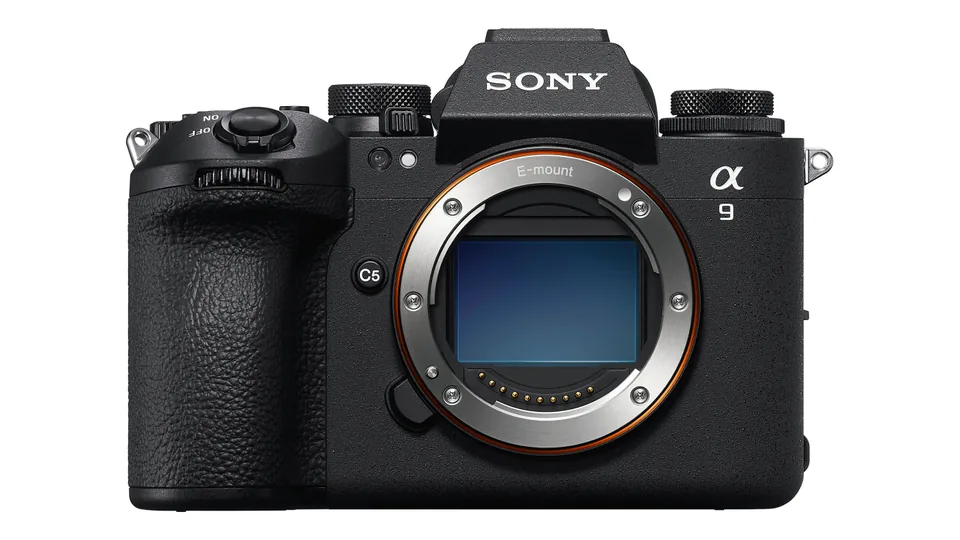
Sony a9 III
- Best for
- Mirrorless action and news
- My verdict
- Best mirrorless press camera here
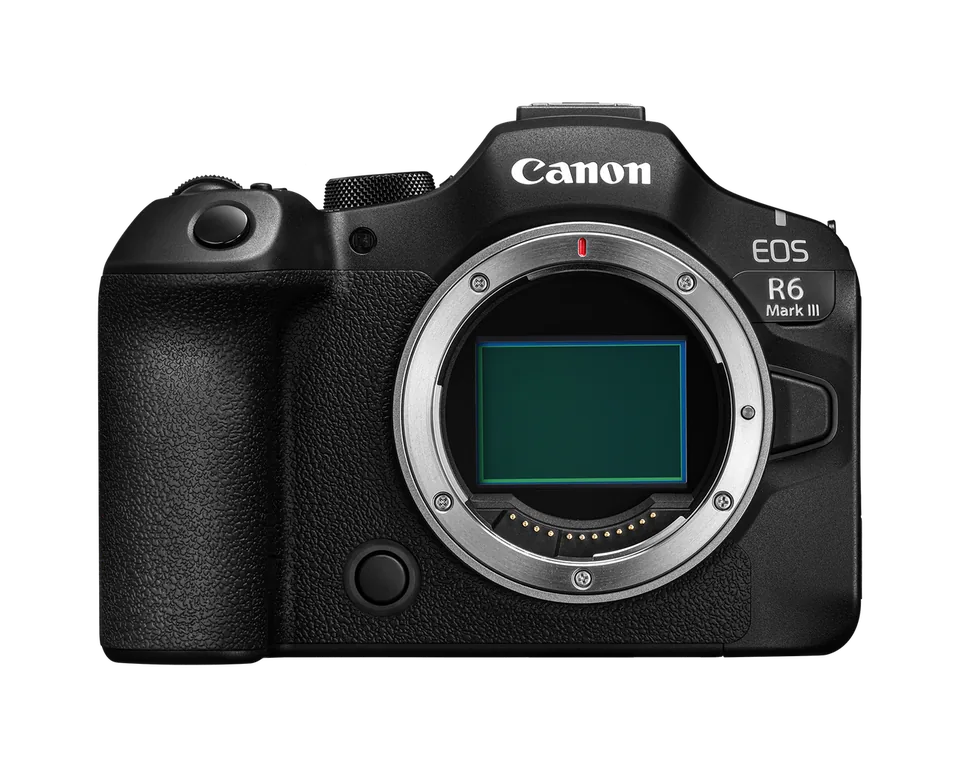
Canon EOS R6 Mark III
- Best for
- Stills, video and a lighter kit
- My verdict
- Best versatile hybrid option
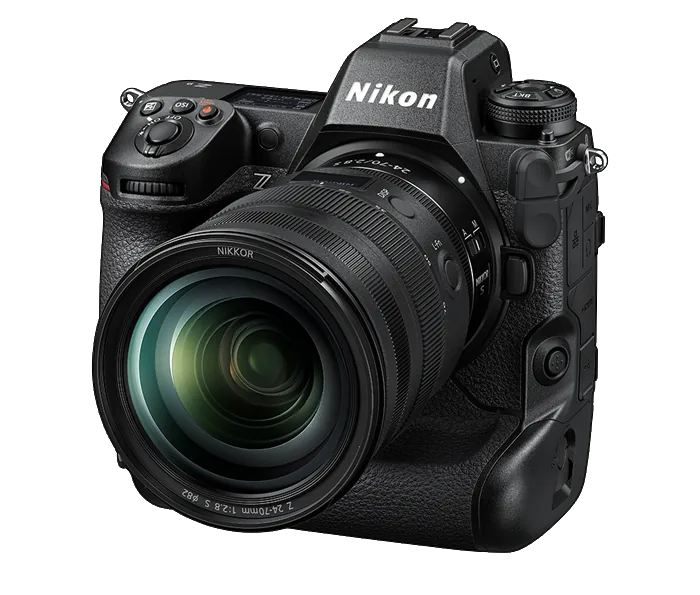
Nikon Z9
- Best for
- Flagship mirrorless reliability
- My verdict
- Best Nikon press body
A photojournalism camera needs to react quickly, survive real assignments and fit the way you deliver photographs. These five current mirrorless bodies cover different budgets, file requirements and working conditions.
Three clear starting points depending on whether you want Sony speed, a versatile hybrid or a Nikon flagship.
Source check
What the award-winner data actually shows
The original article was based on the 2018 World Press Photo winners, not the 2026 contest. The Nikon D5, Nikon D810 and Canon EOS 5D Mark III tied for first in that historical camera count. Treat it as a useful snapshot of working tools in 2018, not a current shopping list.
- 97 of 129
- winning photographs included camera details
- 51.5%
- of the documented winning photographs were made with Nikon cameras
- 83.5%
- were made with DSLRs, while mirrorless cameras accounted for 11.3%
PetaPixel published the breakdown from data gathered by the Spanish photography site Photolari.
The assignment matters
How I would choose a photojournalism camera
Weather sealing, battery life, dual card slots and predictable controls matter when missing the photograph is not an option.
Fast autofocus and a responsive shutter are useful, but only when you can operate the camera without thinking about it.
File transfer, lens availability, video needs and the size of the whole kit matter more than one headline specification.
Best mirrorless press camera
Sony a9 III
- Best for
- News, sport, events and photographers who need fast silent shooting
- Skip it if
- You prefer a simpler, slower camera or do not need flagship action speed
- My verdict
- The a9 III is the strongest Sony choice on this list when speed and discretion both matter.
The a9 III uses a global shutter for distortion-free fast action and silent shooting, with pre-capture and very high burst speeds. This is a specialist advantage rather than a reason every documentary photographer needs one. Its standard sensitivity starts at ISO 250; compare the full image-quality and cost tradeoff with a more general-purpose body.
Check price on Amazon →Best versatile hybrid
Canon EOS R6 Mark III
- Best for
- Documentary stills, short video assignments and photographers who want a lighter mirrorless body
- Skip it if
- You need a flagship press body or regularly make very large commercial prints
- My verdict
- The R6 Mark III is the balanced option when one compact body needs to handle both photographs and video.
The current R6 Mark III combines a 32.5MP full-frame sensor with pre-continuous shooting, modern subject tracking and expanded video options. One CFexpress Type B slot and one UHS-II SD slot support a professional workflow. The R6 Mark II remains worth comparing at a meaningful discount, but the Mark III is the current model in this recommendation.
Check price on Amazon →Best Nikon flagship
Nikon Z9
- Best for
- Sport, breaking news and Nikon photographers who need a flagship body
- Skip it if
- You want a light kit or do not need flagship speed and durability
- My verdict
- The Z9 is Nikon’s current specialist workhorse for demanding press and action assignments.
The Z9 is built around durability, fast autofocus and delivery under pressure. It is heavy and expensive, so it makes most sense for working photographers who need a flagship body rather than someone choosing a first serious camera.
Check price on Amazon →Best lighter Nikon hybrid
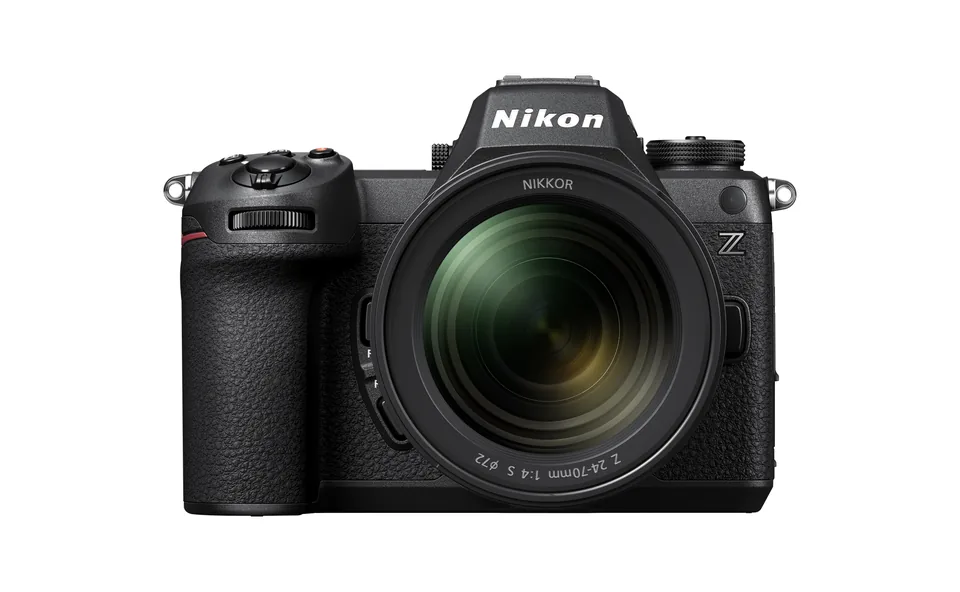
Nikon Z6III
- Best for
- News, events and documentary stills and video in a smaller Nikon kit
- Skip it if
- You need the 45.7MP resolution or faster full-width readout of the Z8 and Z9
- My verdict
- The current Nikon hybrid to compare when portability and manageable file sizes matter.
The Z6III pairs a 24.5MP partially stacked full-frame sensor with EXPEED 7 processing, subject tracking and internal 6K RAW video. It is smaller and lighter than the Z8 and Z9, with lower-resolution files. The fully stacked bodies retain an advantage for fast sensor readout, while the Z9 also adds an integrated grip and greater endurance.
Check price on Amazon →Best high-resolution hybrid
Nikon Z8
- Best for
- Documentary, portrait and editorial photographers who need detailed files and modern autofocus
- Skip it if
- You want a smaller, less expensive body or do not need its high-end video features
- My verdict
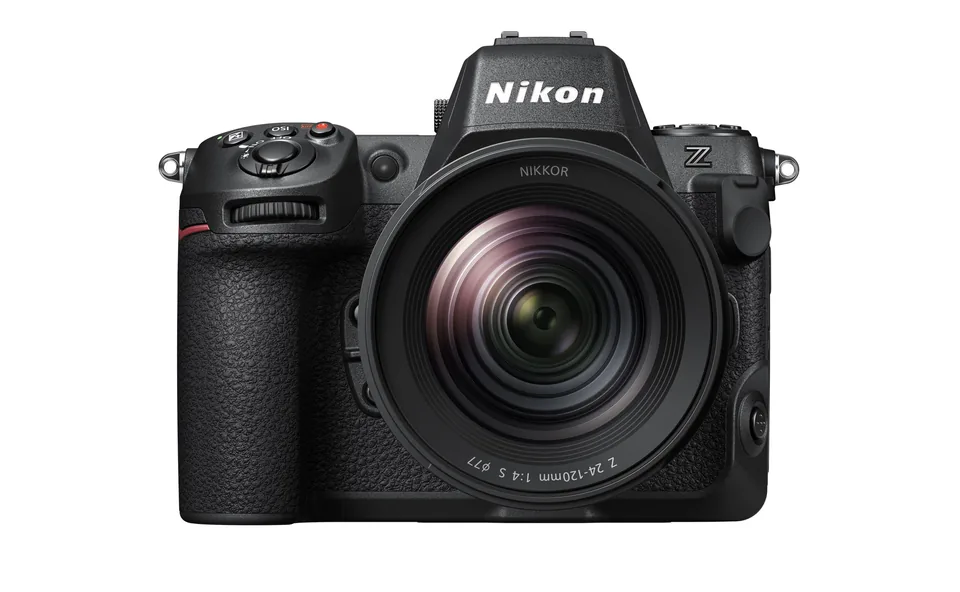
- The Z8 is the smaller high-resolution sibling of the Z9, for photographers who want similar image quality without the integrated vertical grip.
The Z8 combines a 45.7MP stacked sensor, fast subject tracking and professional video features in a smaller body than the Z9. It is a current alternative for detailed documentary and editorial files when an integrated vertical grip and maximum battery endurance are less important.
Check price on Amazon →Choose by assignment
Three sensible ways to build the kit
Start with the assignment. A global-shutter action body, an all-round hybrid and a smaller Nikon system solve different problems.
Fast news and action
Sony a9 III
The compact mirrorless choice when autofocus, speed and quiet shooting are central to the assignment.
Check price on Amazon →Stills and video
Canon EOS R6 Mark III
The balanced choice when you need a lighter body that can cover both photographs and short video work.
Check price on Amazon →Smaller Nikon hybrid
Nikon Z6III
A 24.5MP current hybrid when portability and manageable files matter more than maximum resolution.
Check price on Amazon →Famous photojournalists
A camera comparison tells you about the tool. Studying a photographer's work helps you decide what that tool needs to do.
Henri Cartier-Bresson: timing and composition
Study how people move through his frames, then practise waiting for a gesture to complete a composition. The Cartier-Bresson profile is a useful starting point. For this way of working, responsive controls and a kit you can carry comfortably matter more than maximum burst speed.
Robert Capa: reporting from within an event
Robert Capa's reporting is a reminder to think about access, context and the story around a single frame. For demanding assignments today, compare the reliability, lens options and delivery workflow of the cameras above.
Susan Meiselas: relationships and context
Susan Meiselas discusses building relationships with subjects. That approach takes time, listening and a camera you can operate without interrupting the conversation. A quieter, smaller kit can be useful when trust matters more than speed.
These are lessons to apply when choosing a camera, not claims that these photographers used the modern models above. To develop the pictures into a coherent body of work, continue with composition and getting a photography project published.
The short answer
So, which camera should you buy for photojournalism?
- Best mirrorless press camera: Sony a9 III Check price on Amazon →
- Best versatile hybrid: Canon EOS R6 Mark III Check price on Amazon →
- Best Nikon flagship: Nikon Z9 Check price on Amazon →
- Best lighter Nikon hybrid: Nikon Z6III Check price on Amazon →
- Best high-resolution hybrid: Nikon Z8 Check price on Amazon →
For fast action where a global shutter matters, compare the Sony a9 III. I would start with the Canon EOS R6 Mark III for a general stills-and-video kit, the Nikon Z6III for a lighter Nikon hybrid, the Z8 for more resolution, or the Z9 for flagship endurance.
Next step