Sony E-mount lens buyer’s guide
Best Sony Lenses
My picks for street photography, portraits, wide-angle work, sports and macro
Sony makes enough E-mount lenses to turn a simple choice into a spreadsheet. These are the five lenses I would compare first based on what you photograph.
Start here
My quick picks
Three clear recommendations for the most common reasons photographers buy a Sony lens.
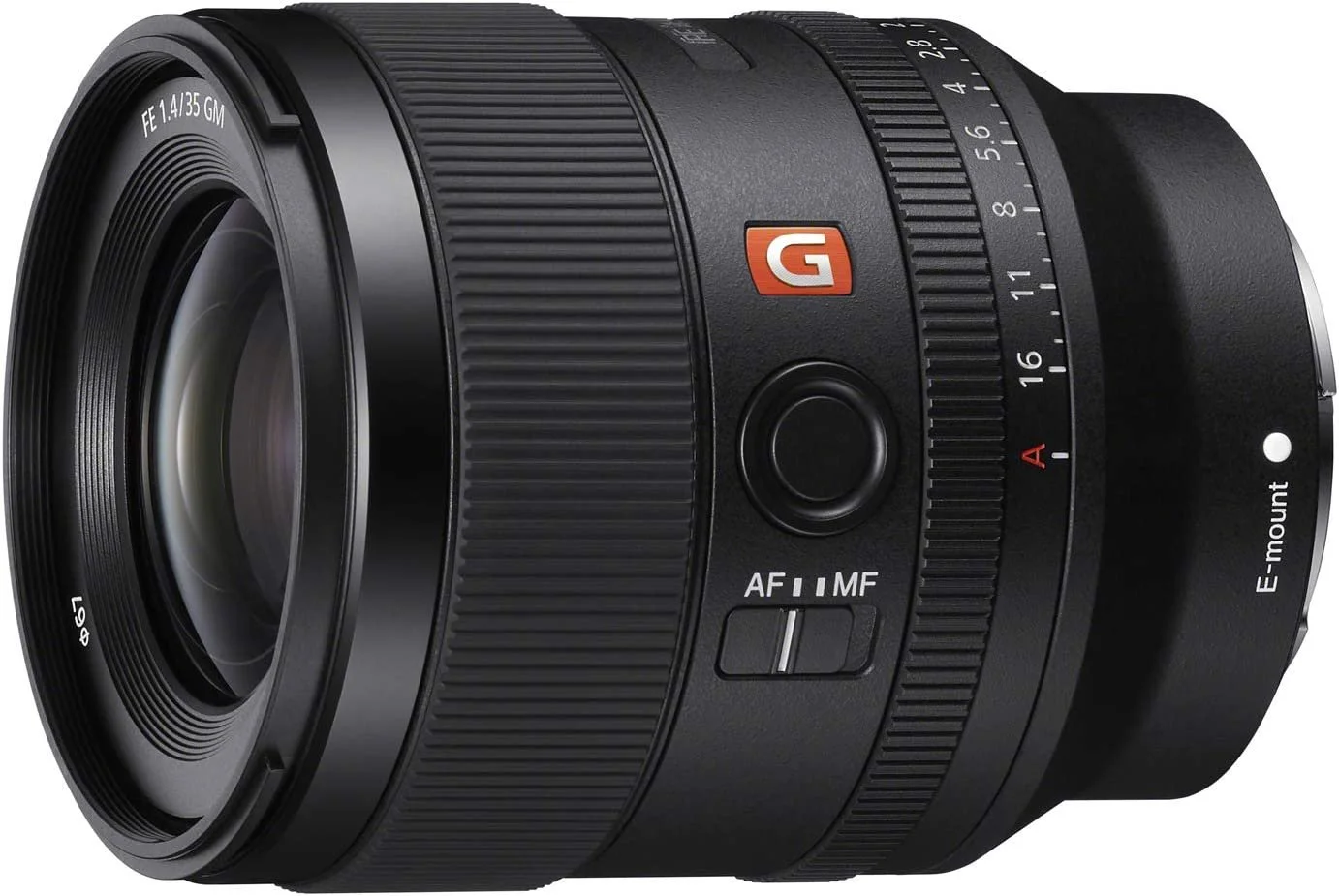
Sony FE 35mm f/1.4 GM
- Best for
- Street and everyday work
- My verdict
- Best all-round Sony prime
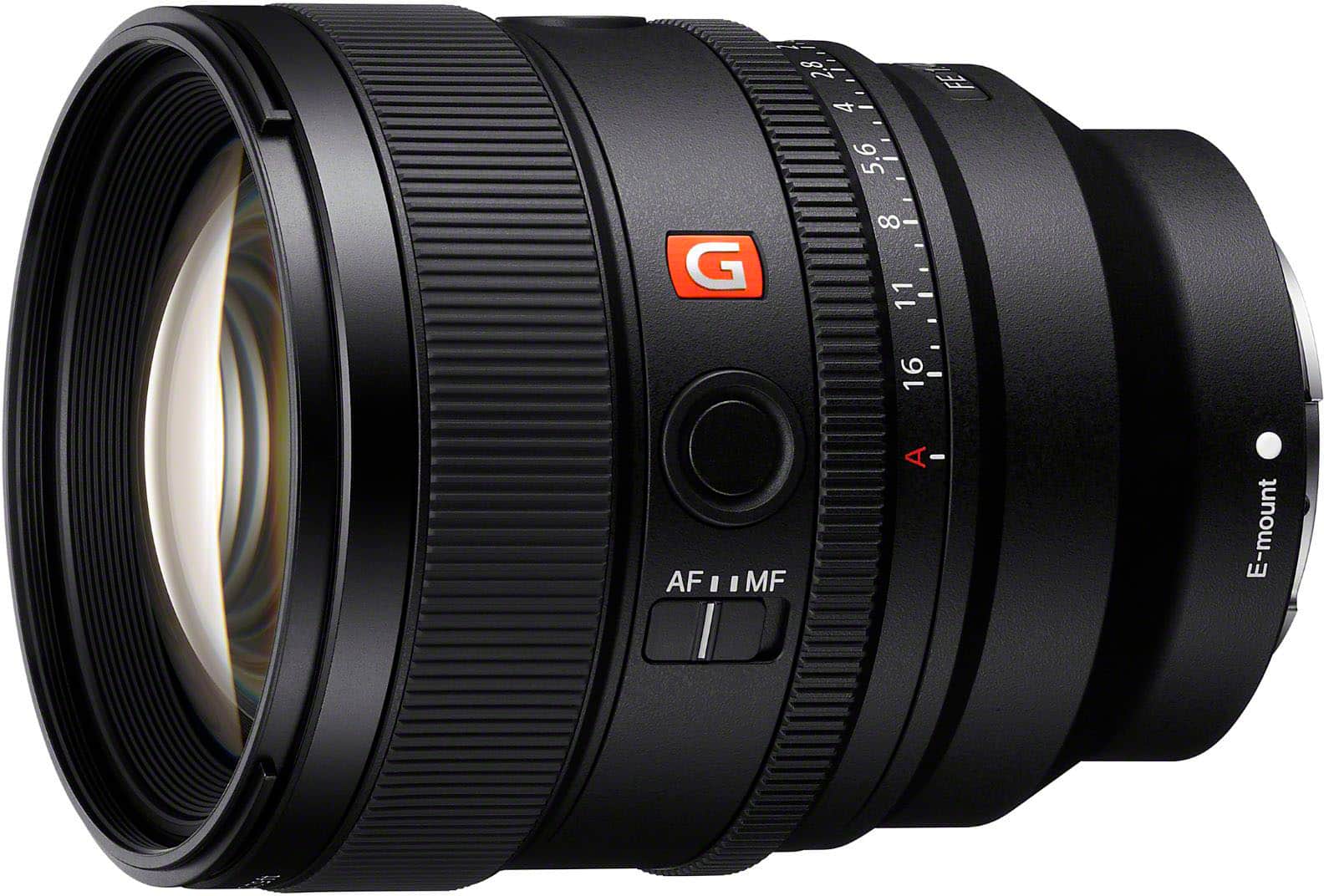
Sony FE 85mm f/1.4 GM II
- Best for
- Portraits
- My verdict
- Best dedicated portrait lens
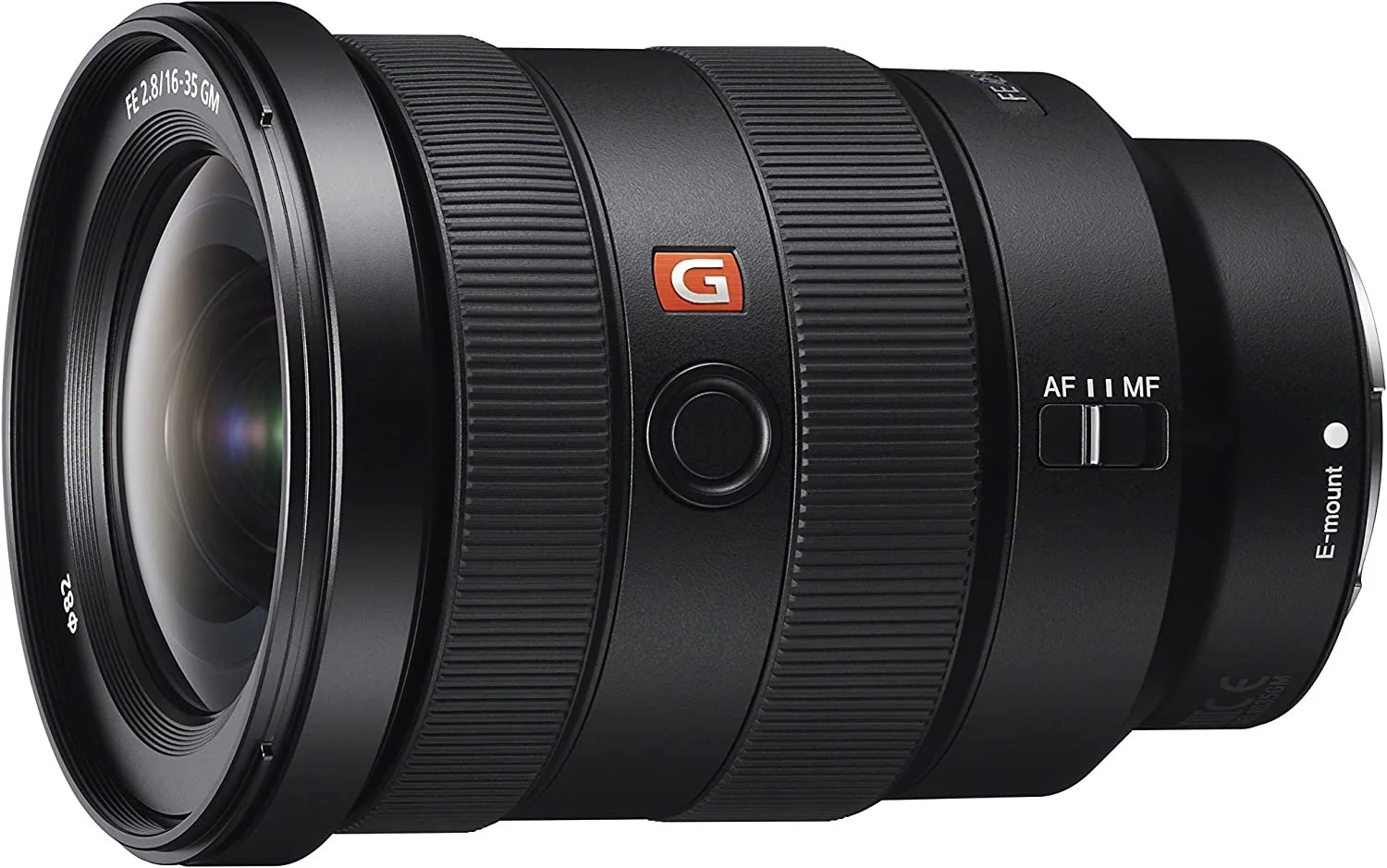
Sony FE 16-35mm f/2.8 GM
- Best for
- Travel and wide-angle work
- My verdict
- Best wide zoom
The shortlist
How I chose these Sony lenses
Every recommendation needs a clear reason to be in the bag, from everyday street work to macro details.
A fast aperture is valuable for portraits and low light, but not worth carrying for every subject.
The best Sony setup covers the work you do without duplicating focal lengths and weight.
Best all-round Sony prime
Sony FE 35mm f/1.4 GM
- Best for
- Street, environmental portraits, low light and everyday photography
- Skip it if
- You prefer a zoom or want the smallest possible prime
- My verdict
- This is the Sony lens I would start with when one prime needs to do most things well.
A 35mm lens can include enough environment for street and documentary work while still giving a natural view of people. The f/1.4 aperture adds low-light flexibility and separation when you need it.
Check price on Amazon →Best portrait lens
Sony FE 85mm f/1.4 GM II
- Best for
- Portraits, low light and strong subject separation
- Skip it if
- You mainly photograph street scenes or work in tight spaces
- My verdict
- Choose the 85mm when the photograph is about the person rather than the environment.
The 85mm focal length gives flattering working distance and a clean background. It is a specialist portrait lens, so it makes more sense as a second lens beside a wider everyday option.
Check price on Amazon →Best telephoto zoom
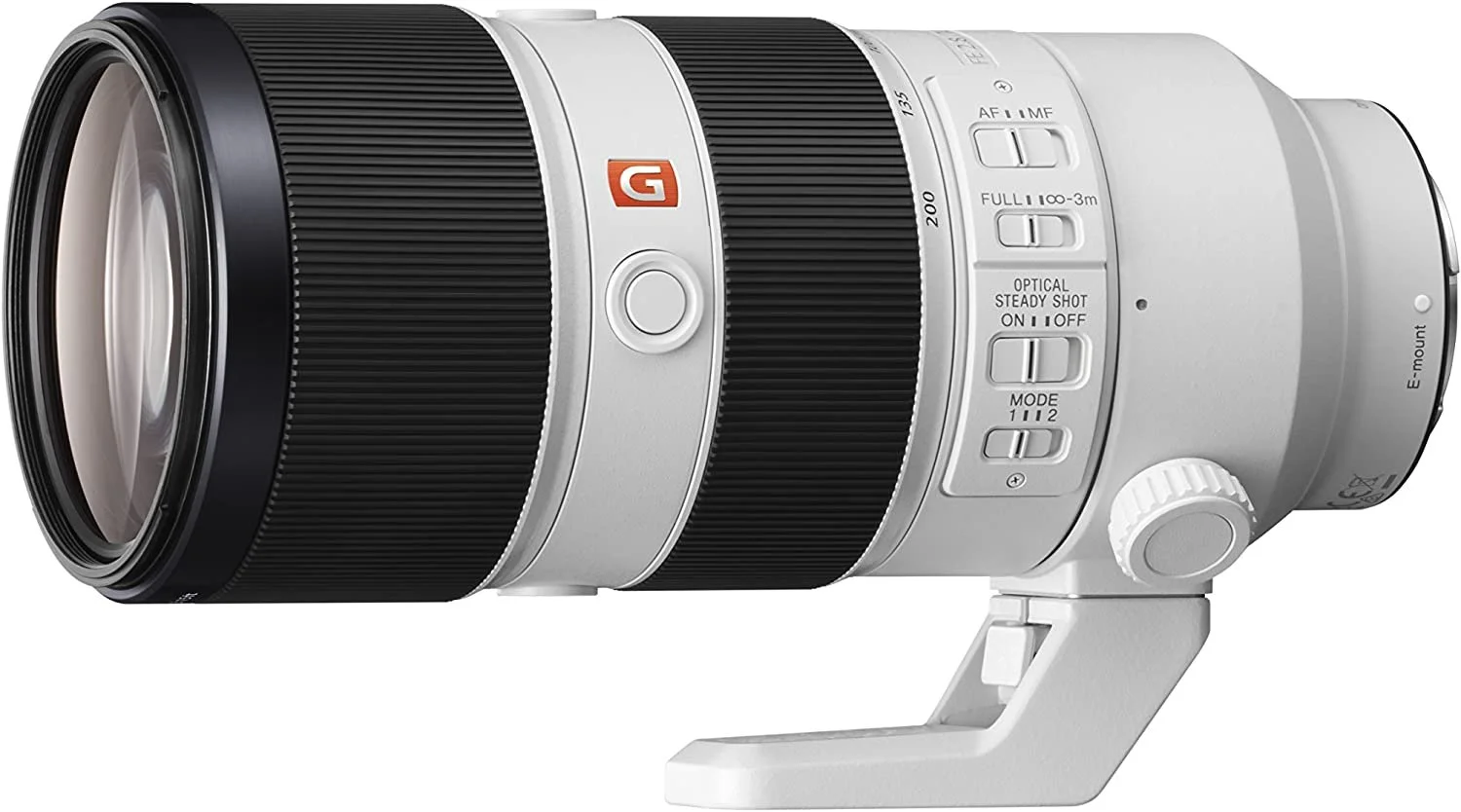
Sony FE 70-200mm f/2.8 GM OSS
- Best for
- Sports, events, wildlife and compressed portraits
- Skip it if
- You want a light everyday kit or rarely need telephoto reach
- My verdict
- This is a working telephoto, not a lens to carry just in case.
The 70-200mm range earns its weight when distance and fast autofocus are part of the job. For sports, events and certain portraits it solves a real problem; for casual travel it is usually more lens than you need.
Check price on Amazon →Best wide-angle zoom
Sony FE 16-35mm f/2.8 GM
- Best for
- Landscapes, architecture, interiors, travel and wide environmental work
- Skip it if
- You mostly photograph people and naturally prefer normal focal lengths
- My verdict
- The 16-35mm is the practical wide zoom when changing perspective matters more than travelling light.
This range moves from very wide to a useful documentary 35mm view. It is a strong choice when architecture, interiors or landscapes are regular subjects rather than occasional experiments.
Check price on Amazon →Best macro lens
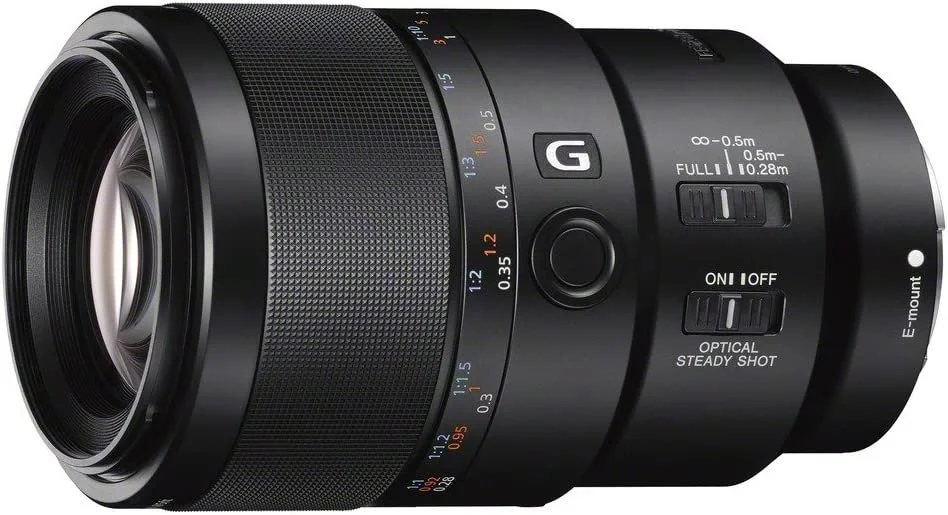
Sony FE 90mm f/2.8 Macro G OSS
- Best for
- Close-up details, products, flowers and insects
- Skip it if
- You do not need true close focusing or want a faster portrait lens
- My verdict
- Buy the 90mm macro because you need macro, not as a substitute for the 85mm portrait lens.
The 90mm macro adds a capability the other lenses do not have: close focusing at meaningful magnification. It can photograph people too, but its clearest reason to be in the kit is detailed close-up work.
Check price on Amazon →Keep it simple
If I could only buy three Sony lenses
Build from one useful everyday lens instead of buying overlapping zooms and primes at once.
One lens
35mm f/1.4 GM
The most useful single prime for street, people and everyday low-light work.
Check price →Two lenses
35mm + 85mm
A documentary view and a dedicated portrait lens with very little overlap.
Check the 85mm →Three lenses
16-35mm + 35mm + 85mm
Wide coverage, an everyday prime and a portrait lens without carrying the telephoto zoom.
Check the wide zoom →The short answer
So, which Sony lens should you buy?
- For street and everyday photography: FE 35mm f/1.4 GM Check price →
- For portraits: FE 85mm f/1.4 GM II Check price →
- For sports and events: FE 70-200mm f/2.8 GM OSS Check price →
- For landscapes and architecture: FE 16-35mm f/2.8 GM Check price →
- For close-up work: FE 90mm f/2.8 Macro G OSS Check price →
If I were building a Sony kit from scratch for the kind of street and people photography I do, I would start with the 35mm f/1.4 GM. I would add the 85mm only when portraits needed more separation, and a zoom only when a recurring assignment required the range.
Next step
Build the rest of your setup
Compare camera systems
Continue with the other camera guides
A camera body, lens mount and working focal length belong to the same decision. Use these guides to compare the alternatives before committing to a system.
Fujifilm cameras
Compare Fuji bodies for street photography, travel, hybrid work and professional files.
Compare Fujifilm cameras →Fujifilm lenses
Choose the Fuji focal length and lens size that suit the way you actually photograph.
Compare Fujifilm lenses →Leica cameras
Compare fixed-lens, rangefinder, autofocus and film Leica camera experiences.
Compare Leica cameras →Leica M lenses
See which Leica M focal lengths make sense before building an expensive rangefinder kit.
Compare Leica M lenses →